
Quick Answer
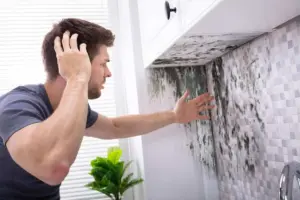
Persistent musty odors, unexplained moisture stains, previous leaks, warped drywall, or recurring indoor allergy symptoms can all point to a hidden moisture problem or possible mold growth. If the source is not obvious, a professional mold inspection can help determine where further investigation is needed.
Living in the Valley of the Sun, mold is probably the last thing on your mind. Phoenix is dry most of the year, but monsoon storms, roof leaks, plumbing problems, condensation, and HVAC issues can still create the moisture mold needs.
EPA guidance supports the broader point that mold growth depends primarily on moisture, regardless of the surrounding climate.
Why Phoenix Homes Aren’t as Safe From Mold
Most of the year, Phoenix humidity sits low, often under 20 percent. Mold doesn’t have much of a chance in that kind of air. Monsoon season changes everything. Humidity can jump from around 15 percent to over 50 or even 70 percent within hours.
Local health officials have seen this firsthand. Pima County health officials told 13 News in Tucson that mold can start spreading in less than 48 hours once moisture gets trapped inside a home. That’s a short window. A roof that held up fine all spring can let water in during one July storm, and by the time you notice a stain, the damage has already been sitting there for weeks.
Signs You Need a Mold Inspection
The following are signs of mold infestation in a home. If you notice any of these, get your inspection as soon as possible:
1. Persistent Musty Odor
One of the most reliable indicators of hidden mold is a persistent, earthy smell. If a room, closet, or hallway smells like damp cardboard or a wet basement, mold is likely growing out of sight.
Because mold thrives in dark, unventilated areas, you will often smell it long before you see it. Common hiding spots in Phoenix homes include:
- Behind furniture or along exterior walls
- Beneath sinks and around plumbing connections
- Around HVAC equipment and vents
- Behind baseboards or cabinets near previous leaks
2. Unexplained Health Symptoms
If your family experiences allergy-like symptoms that clear up when you leave the house, indoor mold spores could be floating through your living spaces.
Inhaling microscopic spores irritates sensitive nasal passages and airways. According to public health guidance from the U.S. Environmental Protection Agency (EPA), indoor mold exposure frequently triggers allergic reactions, asthma attacks, eye irritation, and respiratory distress in sensitive individuals.
Pay attention if household members experience:
- Frequent sneezing, runny noses, or sinus congestion
- Red, itchy, or watery eyes when relaxing indoors
- Sudden, unexplained asthma flare-ups or wheezing
- Persistent dry coughs or scratchy throats that worsen at night
3. Past Plumbing Leaks or Recent Water Damage
Did you recently deal with a running toilet, a leaking water heater, or a burst supply line under the kitchen sink? Even if you wiped up standing water on your tile floor, liquid can easily seep under baseboards, drywall, and subflooring.
If your home suffered a roof leak during a summer dust storm or experienced a minor plumbing flood, unseen dampness inside wall cavities can support mold growth for months.
4. Peeling Paint or Warped Drywall
Paint that’s bubbling or drywall that feels soft or looks warped usually means moisture has sat long enough to break down the material. That’s a strong sign, not just wear and tear.
Mold spores need only three things to thrive: moisture, oxygen, and organic food (like drywall paper or wood framing). Under the right conditions, active mold colonies begin growing within 24 to 48 hours after water exposure.
What to Do If You’re Noticing These Signs
If you notice any of these signs, it strongly indicates you need a mold inspection. Mold isn’t always visible, and the smell alone doesn’t tell you how far it’s spread or where it started.
A mold inspection checks the areas you can’t easily see: behind walls, inside ductwork, under flooring, and anywhere moisture tends to collect. It gives you an actual answer instead of a guess.
Book Your Mold Inspection
Ignoring signs of mold infestation lets mold spread. Booking a professional mold inspection gives you direct answers about your indoor air quality.
Book your inspection with Checklist Inspections. Our certified inspectors collect surface and air samples to identify hidden moisture sources. This helps outline a clear plan to address the issue.