
New houses often have more hidden problems than old ones. The American Society of Home Inspectors (ASHI) notes that the assumption that a newly constructed home is automatically defect-free is incorrect. Their guidance highlights that mistakes, installation errors, and subcontractor issues can occur even in new construction.
Many buyers skip the inspection because they trust the builder. This mistake can lead to thousands of dollars in repairs within the first year.
Let’s understand why a brand-new home inspection is non-negotiable. Learn the specific things builders miss and how a pro catches them. This knowledge gives you the power to demand repairs before you sign the final papers.
Why Builders Make Expensive Mistakes
Builders run under a lot of pressure to work fast. They often manage more than one house at the same time. This pressure can lead crews to cut corners to stay on schedule.
In South Carolina, homeowners who purchased newly built houses discovered serious problems shortly after moving in. An independent inspection of one home documented dozens of issues, including missing pipes, improper installations, insulation problems, roof concerns, and code violations.
City inspectors only check if a house meets the bare minimum code. They don’t care whether your floors are level or your AC actually works. That is why you need your own set of eyes on the project.
Your Essential New Construction Home Inspection Checklist
If you are going through this process, you need to know what to look for. A professional uses a detailed new construction home inspection checklist to ensure nothing gets missed.
Expect the inspector to review several key areas of the home. These are the spots where builders are most likely to rush.
The Critical Exterior Points
The outside of the house is your first line of defense against the weather.
- Grading and Drainage: The soil must slope away from the house so water does not flood your foundation.
- Siding and Trim: They check for gaps where bugs or water can get into your walls.
- Roofing and Gutters: They look for missing shingles or gutters that aren’t properly connected.
The Internal Systems and Structure
The house’s internal systems need to work perfectly.
- Electrical Outlets: They test every plug to make sure it is wired safely and correctly.
- Plumbing Pressure: They run all the faucets at once to check for leaks under the sinks or in the walls.
- HVAC Performance: They measure the temperature of the air coming out of the vents to ensure the system is sized right.
Why Code Inspections Just Aren’t Enough
Many people think the city inspector is their friend. They believe that a passed inspection means the house is high quality.
Municipal inspectors evaluate homes against the International Residential Code (IRC), which represents the absolute legal floor of construction, not a standard of quality.
A city inspector verifies that an outlet is powered, but an independent inspector uses a circuit analyzer to check for open neutrals or improper grounding under load.
While code officials check whether the HVAC turns on, a private inspector measures evaporator coil temperature differentials to ensure the system is properly charged and can cool the home efficiently.
A brand-new home inspection is about quality, not just legality. You want a house that functions well, not just one that is technically legal to live in.
Common Blunders Found in New Houses
You might be shocked at what an inspector finds in a perfect house. They often see things that seem impossible but happen every week.
One inspector recently found a house where the kitchen vent hood was not actually connected to anything. It just blew grease and smoke into the attic space. This is a massive fire hazard that would have stayed hidden for years.
They also see missing insulation in entire sections of the house. The builder simply forgot to blow it in, and the homeowner would have wondered why their bills were so high.
One of the most dangerous defects discovered during final walkthroughs involves improper mechanical termination.
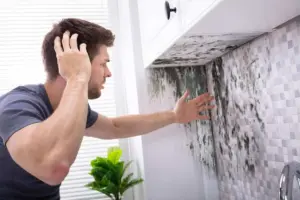
When kitchen range hoods or bathroom exhaust fans terminate directly inside an attic cavity instead of venting through the roofline, they dump gallons of humid air into an unconditioned space. This creates an isolated microclimate that causes active roof-sheathing mold growth long before the buyer notices a smell.
Common Defect | Potential Cost to Fix Later | Why It Happens |
Improper Grading | $5,000 to $15,000 | Rushed landscaping crews |
Leaking Pipes | $2,000+ plus mold cleanup | Loose fittings in walls |
Poor Ductwork | $1,500 to $4,000 | Workers stepping on ducts in attic |
Use Your Inspection as a Bargaining Chip
When you get your report, you have a list of facts. Take this list to your builder before the final walkthrough.
Most builders will fix these issues because they want to close the deal. It is much harder to get them back once you have already moved in.
Once they have your money, you are a low priority. Before you pay, you are their top priority. Use that timing to your advantage.
A professional report makes it hard for a builder to argue. They cannot say “that’s just how it is” when a pro points out a clear failure.
Getting the Most Value From Your Inspection
Try to be present during the final parts of the inspection. This is your chance to ask questions about how your new house works.
The inspector can show you where your main water shutoff is located. They can explain how to change your filters and maintain your new appliances.
This is basically a user manual for your house. It helps you start your life in your new place with total confidence.
Win the Battle Against Builder Mistakes
Buying a new house should be a happy experience. You should not have to spend your first year calling plumbers and roofers.
Taking the time for a brand-new home inspection is the smartest move you can make. It protects your bank account and your family from someone else’s lazy work.
A new construction home inspection checklist ensures that your house is as solid as it looks. You worked hard to buy this home, so make sure the builder worked just as hard to build it.
If you are about to close on a house, do not skip the final check. Checklist Inspections is a professional home inspection company that knows how to spot the mistakes builders try to hide. We provide a clear, easy-to-read report with the facts you need. Let us help you make sure your new start is safe.