
Short Answer: Real estate inspections are important because they uncover hidden problems, estimate potential repair costs, and give you a clearer picture of a home’s condition before you buy. A professional inspection can help you make an informed decision and avoid expensive surprises after closing.
You can fall in love with a house in ten minutes.
The floors look great, the kitchen has the island you wanted, and the backyard feels perfect. But a showing tells you how a home looks, not necessarily what condition it is in.
A real estate inspection gives you a closer look before the property becomes your financial responsibility. It can uncover visible defects, flag upcoming repairs, and help you understand what you are actually buying before you close.
What Does a Real Estate Inspection Actually Tell You
A real estate inspection gives you an independent look at the home’s major systems, structure, and visible condition. It can uncover defects that are easy to miss during a showing, especially when a property has been cleaned, staged, painted, and photographed to look its best.
Why Are Real Estate Inspections Important Before You Buy
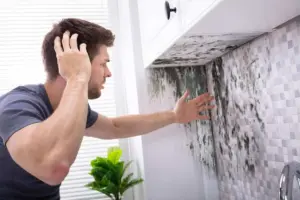
Just because a house looks spotless doesn’t mean it actually is. A fresh coat of paint can easily conceal old water stains, an area rug might hide warped floorboards, and great curb appeal can distract you from terrible yard drainage.
And some defects don’t announce themselves until months after closing.
An inspection covers every part of a home that might hide major issues. The problem may not require an immediate roof replacement, but knowing about it gives the buyer information they can use for negotiating repairs or even the price before closing.
How Can Inspections Help You Save Money
A home inspection can help you spot costly issues before they become your responsibility.
If the report reveals aging equipment, water damage, roofing concerns, or other repairs, you can start estimating what ownership may actually cost beyond the purchase price. Some problems may only need routine maintenance, while others could require significant work soon after you move in.
That information helps you plan your budget more realistically and avoid being caught off guard by expenses you did not know were coming.
The goal is not to find a problem with every house. It is to understand which findings are minor, which can wait, and which may have a bigger financial impact.
What Problems Can a Home Inspection Find
|
Inspection Area |
Common Problem |
Why It Matters |
|
Roof |
Damaged shingles, leaks, poor flashing |
Can lead to water damage and costly repairs |
|
Attic |
Moisture, inadequate insulation, poor ventilation |
May contribute to energy loss, roof damage, or moisture problems |
|
Electrical |
Faulty wiring, overloaded circuits, outdated components |
Can create safety concerns and require professional repairs |
|
Plumbing |
Leaks, damaged pipes, poor drainage |
May cause water damage and increase repair costs |
|
HVAC |
Poor performance, damaged components, aging equipment |
Can lead to comfort issues and expensive replacement costs |
|
Foundation |
Cracks, settlement, drainage concerns |
May indicate structural or water-related problems |
|
Windows & Doors |
Damaged seals, poor operation, water intrusion |
Can affect energy efficiency and allow moisture inside |
|
Exterior |
Poor grading, damaged siding, deteriorated materials |
Can contribute to water intrusion and ongoing maintenance |
These aren’t hypothetical reasons to be nervous about buying a house. They show why looking beyond cosmetics matters.
Should You Inspect the Attic
Yes. The attic deserves attention because it can reveal problems you simply cannot see from the living space below.
An attic may contain evidence of roof leaks, inadequate insulation, ventilation problems, damaged framing, pest activity, or moisture issues. If your general inspection has limitations in this area, an attic home inspection or specialized attic home inspection service may provide additional information.
Think of the attic as the house’s behind-the-scenes area. Nobody visits it during an open house.
That doesn’t mean you should ignore it.
Should You Inspect a Brand-New Home
Yes. Get the inspection anyway.
New construction is not automatically defect-free. Construction involves multiple contractors, materials, installations, inspections, deadlines, and plenty of opportunities for something to be missed.
A new home might have improperly installed fixtures, grading issues, unfinished details, ventilation problems, or other defects.
New does not mean flawless.
What Should You Do With the Inspection Report
Read it carefully. Separate routine maintenance from significant concerns. A useful approach is to divide findings into three categories:
- Immediate concerns: Issues that could affect safety, habitability, or cause significant damage.
- Near-term repairs: Problems that should be addressed relatively soon.
- Routine maintenance: Items you can reasonably plan for as a homeowner.
That makes a long inspection report easy to understand.
Get the Facts Before You Get the Keys
At Checklist Inspections, our approach is simple: we show you exactly what shape the house is in before it becomes your headache. You’ll leave with a clear roadmap: what needs fixing right away, what can wait a few seasons, and whether a bigger issue calls for a specialist.
Before you commit to the house, take a closer look. Contact us to schedule your inspection and make your purchase with facts, not guesses.